Specialty & Site Support
Portable Storage
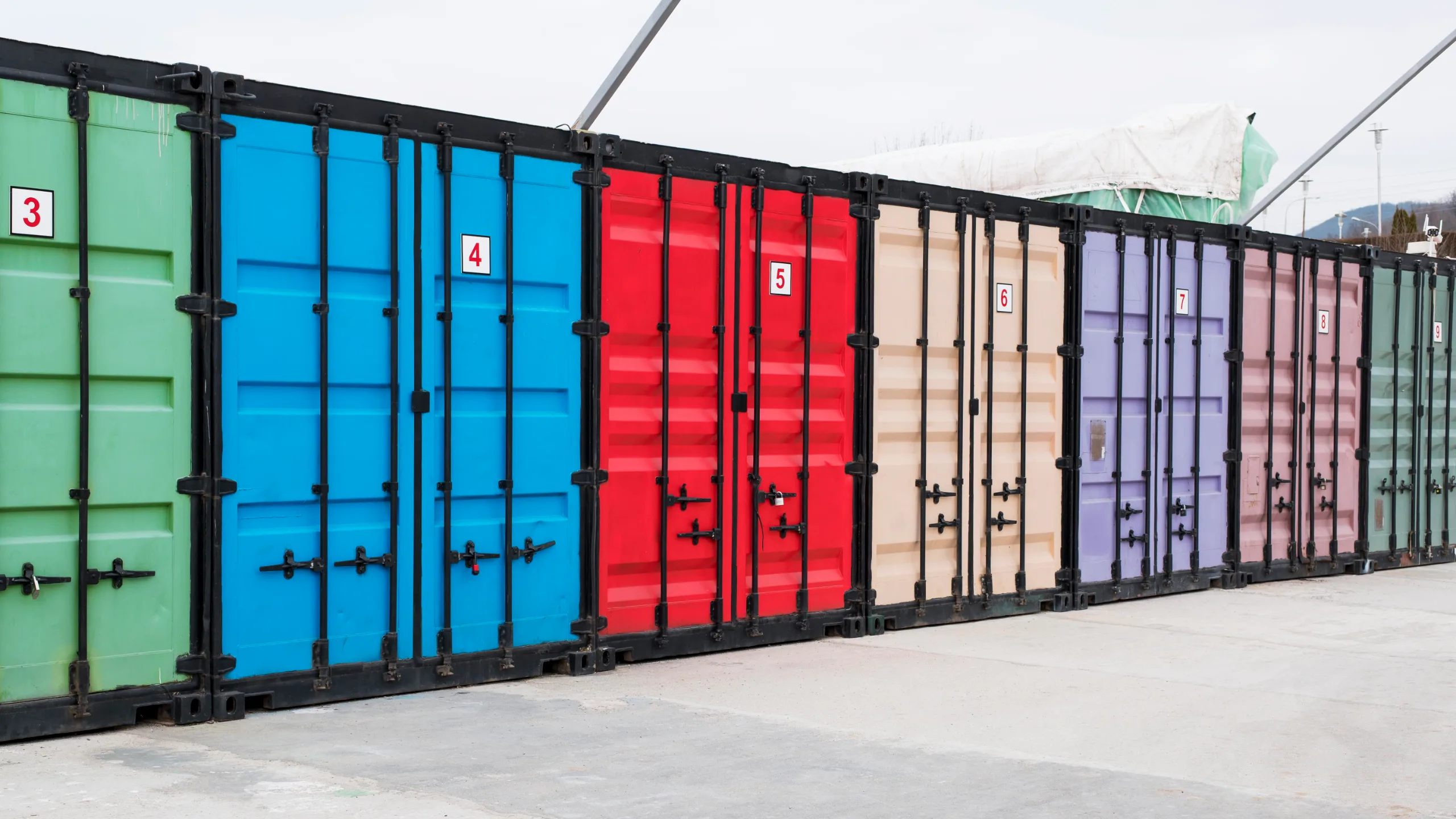
Portable storage units and temporary on-site storage solutions for government facilities, public-sector properties, institutional sites, operational needs, projects, renovations, relocations, and other defined temporary-storage requirements.
Defined capacity. Planned placement. Documented service.
Service Overview
Storage Solutions Built Around the Site
Portable-storage requirements vary by unit dimensions, quantity, intended contents, service duration, placement area, ground conditions, access clearance, door orientation, site operations, delivery restrictions, and required pickup or relocation dates.
Azure Tide approaches each requirement by reviewing the needed storage capacity, unit configuration, designated placement area, duration, access conditions, scheduling, site restrictions, documentation requirements, and applicable performance standards.
Portable storage may support temporary facility operations, maintenance projects, renovations, office or departmental moves, equipment staging, material storage, seasonal requirements, records or supply storage, and other clearly defined on-site needs.
Typical Scope Elements
Portable Storage & Site Support
Depending on the facility and governing requirement, portable-storage service may include one or more of the following defined elements.
Portable Storage Units
Portable storage can be provided according to defined unit sizes, quantities, configurations, placement locations, service periods, and site requirements.
Temporary On-Site Storage
Defined temporary storage capacity can support facility operations, projects, moves, maintenance activities, overflow needs, or other short- or extended-duration requirements.
Delivery & Placement
Delivery and placement can be coordinated to the designated site location according to approved access, clearance, surface, scheduling, and positioning requirements.
Pickup & Removal
Scheduled pickup and removal can be incorporated at the completion of the required storage period or according to another defined service date.
Size & Capacity Planning
Unit size, quantity, usable capacity, door arrangement, and other configuration requirements can be evaluated according to the intended use and available site area.
Supply & Material Storage
Compatible supplies, packaged materials, furniture, equipment, tools, records, and other ordinary items can be accommodated where consistent with the defined storage conditions and restrictions.
Project & Renovation Support
Portable storage can support temporary relocation of compatible contents during maintenance, renovation, flooring, painting, construction-adjacent, or other facility projects.
Moves & Transitional Storage
Temporary storage can support departmental moves, building transitions, furniture relocation, phased occupancy changes, or other defined temporary needs.
Multiple Units & Locations
Requirements involving multiple portable-storage units, buildings, departments, campuses, work areas, or placement locations can be coordinated within one defined service scope.
Defined Relocation
Unit relocation can be evaluated where a project, facility operation, or phased requirement calls for the storage location to change during the period of performance.
Short- or Extended-Duration Service
Storage periods can be structured around a defined project duration, temporary operational need, monthly service period, or other contractually established timeframe.
Other Defined Storage Requirements
Additional portable or temporary on-site storage requirements can be evaluated when clearly identified in the applicable solicitation, statement of work, or facility requirement.
Service Scheduling
Planned Around Duration, Placement & Access
Portable-storage schedules can be structured around required delivery dates, project duration, facility operations, placement restrictions, access windows, relocations, extensions, and final pickup requirements.
-
Defined Storage Period
Service can be structured around short-term, monthly, project-duration, seasonal, or other contract-defined storage periods.
-
Defined Delivery & Pickup Windows
Delivery and pickup can be coordinated around facility operating hours, gate access, parking, loading activity, security procedures, public use, and other site restrictions.
-
Extensions & Relocation
Defined extensions, replacement dates, unit additions, reductions, or relocations can be evaluated where project or facility needs change during the service period.
Performance Visibility
Placement Records & Service Documentation
Where required by the scope, portable-storage performance can be supported through delivery records, unit identification, placement photographs, pickup records, and exception reporting.
Delivery & Placement Records
Service date, facility, designated placement area, unit quantity, configuration, and other required delivery or placement information.
Unit Identification
Unit number or other identifying information, dimensions, location, delivery date, and related inventory details can be recorded where required.
Photographic Documentation
Photographs can document placement, surrounding clearances, door orientation, condition, access area, and other relevant site conditions.
Pickup & Exception Follow-Through
Pickup, relocation, access problems, site conflicts, observable unit damage, extension requests, or other service exceptions can be documented for follow-up.
Requirement Planning
Information That Helps Define the Scope
Providing available capacity, placement, duration, content, site-access, and scheduling information helps clarify the portable-storage requirement.
- Facility or project address and the exact proposed placement location for each portable-storage unit.
- Required quantity, approximate unit dimensions, capacity expectations, door configuration, and other defined storage-unit specifications.
- General category of contents, anticipated loading, special environmental considerations, and any contract-defined restrictions on stored materials.
- Required delivery date, anticipated storage duration, monthly or project period, extension provisions, relocation needs, and requested pickup date.
- Placement surface, slope, drainage conditions, available footprint, adjacent curbs, landscaping, structures, parking spaces, and other nearby obstructions.
- Gate width, roadway width, vehicle access, turning area, overhead clearance, loading-zone restrictions, traffic, pedestrian routes, and site-security procedures.
- Required locks or access-control arrangements, authorized-access expectations, identification, signage, inspection requirements, or other contract-defined controls.
- Applicable statement of work, site plan, photographs, unit specifications, property restrictions, fire-lane requirements, facility policies, solicitation documents, and acceptance criteria.
Need Portable Storage?
Contact Azure Tide with the facility location, requested storage capacity, unit specifications, proposed placement area, anticipated duration, access conditions, scheduling requirements, and applicable requirement details.