Grounds & Exterior Services
Graffiti Removal
Responsive graffiti removal and surface cleaning for government facilities, public-sector properties, institutional sites, buildings, structures, and other defined exterior or interior surfaces.
Defined surfaces. Controlled removal. Documented results.
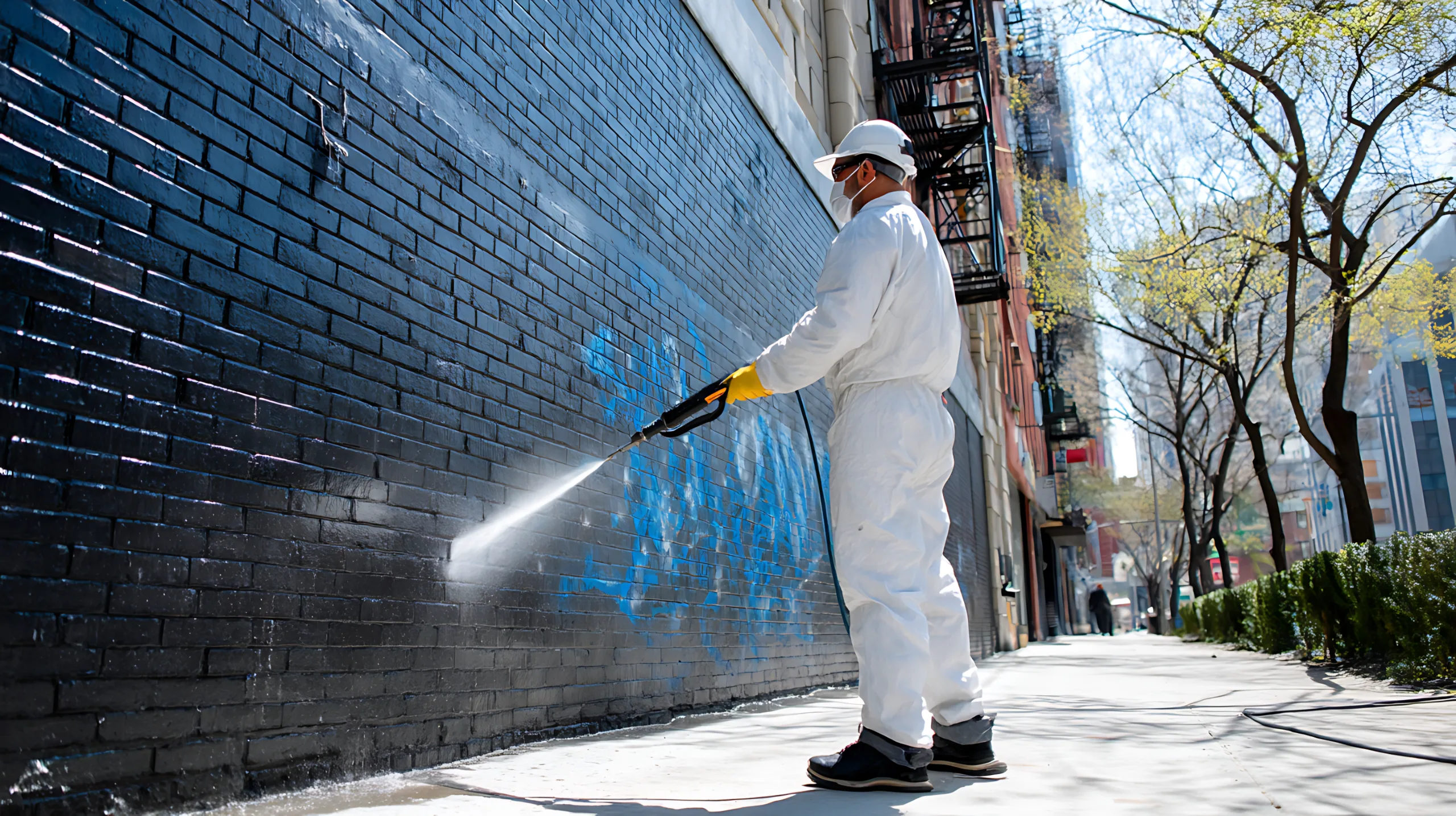
Service Overview
Removal Methods Built Around the Surface
Graffiti-removal requirements vary by surface material, finish, coating, age, porosity, graffiti medium, affected area, environmental exposure, accessibility, and the risk of altering or damaging the underlying substrate.
Azure Tide approaches each requirement by reviewing the affected surfaces, visible markings, substrate condition, removal objective, site-access conditions, work windows, surrounding areas, documentation requirements, and applicable performance standards.
Services may be structured as a defined one-time removal, multi-location project, recurring site-support program, scheduled response requirement, or another clearly defined surface-cleaning scope.
Typical Scope Elements
Graffiti & Surface Cleaning Services
Depending on the substrate, marking material, and governing requirement, service may include one or more of the following defined activities.
Graffiti Removal
Removal or reduction of unwanted graffiti from compatible designated surfaces using methods appropriate to the substrate and defined service requirement.
Spray-Paint Removal
Treatment of compatible spray-paint markings on masonry, concrete, painted surfaces, metal, and other suitable substrates where included in the scope.
Marker & Ink Reduction
Removal or reduction of compatible marker, ink, and similar surface markings where the underlying material can tolerate the selected cleaning approach.
Brick, Masonry & Concrete
Graffiti removal from compatible brick, block, masonry, concrete, and related porous surfaces can be evaluated according to surface condition and finish.
Painted Surface Cleaning
Graffiti on compatible painted surfaces can be evaluated for controlled cleaning where removal can be attempted without unacceptable damage to the underlying finish.
Metal Surface Cleaning
Graffiti removal from compatible coated or uncoated metal surfaces can be incorporated where appropriate for the material, finish, and affected area.
Compatible Hard Surfaces
Glass, tile, sealed surfaces, fixtures, or other hard surfaces can be evaluated where the material and finish are compatible with the required cleaning method.
Residual Shadow Reduction
Additional treatment can be evaluated where visible staining, pigment, shadowing, or residual outlines remain following the initial graffiti-removal process.
Surface Compatibility Evaluation
Limited test areas or method evaluation can be incorporated where appropriate to assess potential effects on coatings, finishes, porous substrates, or sensitive surfaces.
Multiple Buildings & Locations
Requirements involving multiple structures, walls, buildings, fixtures, campuses, or other identified locations can be coordinated within one defined scope.
Defined Response Scheduling
Graffiti-removal requirements can include established response targets or scheduled service windows when those timing requirements are specifically defined by the applicable contract.
Other Defined Surface Cleaning
Additional graffiti-removal or related surface-cleaning requirements can be evaluated when clearly identified in the applicable solicitation, statement of work, or site requirement.
Service Scheduling
One-Time, Recurring or Defined-Response Service
Graffiti-removal scheduling can be structured around facility operations, location visibility, access, surface conditions, site security, public use, weather, and contract-defined response requirements.
-
One-Time Removal
Individual graffiti incidents or defined groups of affected surfaces can be handled as a specific project with documented locations and completion requirements.
-
Recurring Site Support
Recurring inspection or service programs can be evaluated for locations experiencing repeated graffiti where the contract defines the applicable frequency and response process.
-
Defined Work Windows
Service can be coordinated around public access, occupied areas, traffic, facility operating hours, security procedures, events, and other site restrictions.
Performance Visibility
Service Records & Quality Follow-Through
Where required by the scope, graffiti-removal performance can be supported through before-and-after photography, location records, condition documentation, and exception reporting.
Before & After Photography
Photographs can document the affected surface before treatment and the resulting condition after the defined graffiti-removal work is completed.
Location & Surface Records
Facility, building, surface, approximate affected area, substrate type, and other required location information can be recorded where applicable.
Condition Documentation
Existing paint failure, discoloration, surface damage, etching, staining, coating deterioration, or other observable conditions can be documented for review.
Exception Follow-Through
Residual markings, inaccessible areas, incompatible surfaces, incomplete removal, or conditions requiring separate restoration can be documented and routed for follow-up.
Requirement Planning
Information That Helps Define the Scope
Providing available photographs, surface information, location details, access conditions, and removal expectations helps clarify the graffiti-removal requirement.
- Facility address and exact building, wall, structure, fixture, sign, or other surface requiring service.
- Photographs of the graffiti and surrounding surface, including wider views where useful to identify access and adjacent conditions.
- Known substrate or surface type, including brick, concrete, stone, metal, glass, painted surfaces, coatings, sealers, or other finishes when known.
- Approximate graffiti dimensions, number of affected locations, height above grade, and whether markings appear to be paint, marker, ink, or another material.
- Known historic, architectural, decorative, sensitive, coated, weathered, or otherwise damage-sensitive surface conditions.
- Required completion date, response target, work window, traffic or pedestrian restrictions, security procedures, and access requirements.
- Required containment, wastewater or runoff controls, disposal requirements, protection of landscaping or adjacent finishes, and other environmental or site controls identified in the scope.
- Applicable statement of work, photographs, facility standards, drawings, approved cleaning restrictions, environmental requirements, solicitation documents, and acceptance criteria.
Need Graffiti Removal?
Contact Azure Tide with the facility location, affected surfaces, photographs, approximate scope, required service timing, access conditions, and applicable requirement details.