Specialty & Site Support
Fire Extinguisher Services
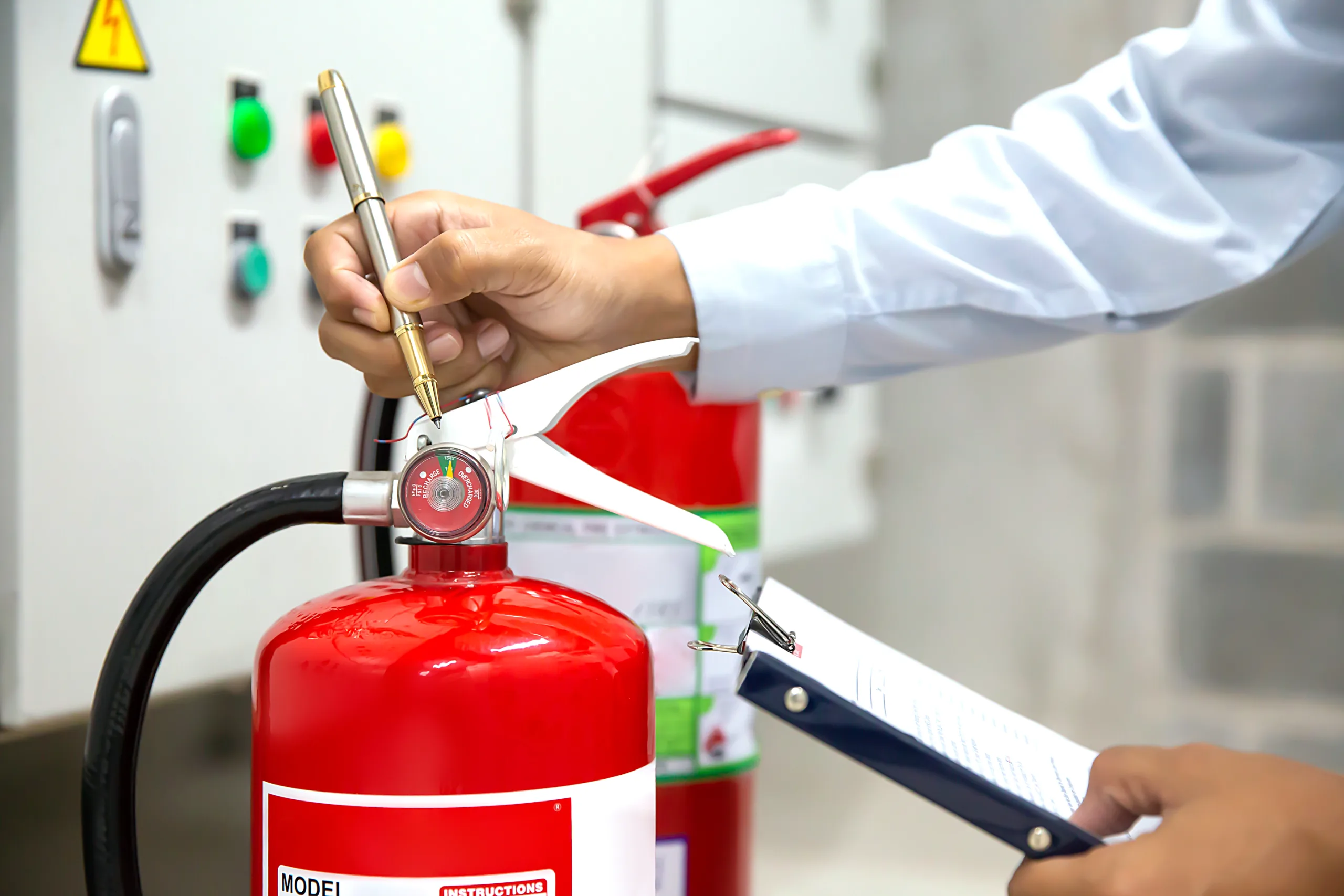
Fire-extinguisher inspection, testing, servicing, replacement, and associated documentation support for government facilities, public-sector properties, institutional sites, and other defined fire-protection requirements.
Defined inventory. Documented service. Clear follow-through.
Service Overview
Extinguisher Service Built Around the Facility
Fire-extinguisher requirements vary by extinguisher type, extinguishing agent, capacity, manufacturer, age, installation location, service history, facility occupancy, inspection interval, and governing requirements.
Azure Tide approaches each requirement by reviewing the defined extinguisher inventory, service locations, inspection or maintenance schedule, due dates, reporting expectations, access conditions, corrective-service requirements, and applicable performance standards.
Service may be structured around recurring inspections, periodic maintenance, testing, recharge or replacement requirements, multi-building extinguisher programs, or another clearly defined portable fire-extinguisher service requirement.
Typical Scope Elements
Fire Extinguisher Inspection & Service
Depending on the extinguisher inventory, facility, and governing requirement, service may include one or more of the following inspection, maintenance, testing, or documentation elements.
Portable Extinguisher Inspection
Inspection of designated portable extinguishers for defined condition, accessibility, identification, pressure, seal, pin, hose, nozzle, label, and other applicable service criteria.
Periodic Maintenance
Defined maintenance procedures can be incorporated according to extinguisher type, service history, applicable interval, manufacturer requirements, and the governing scope.
Recharge & Refill Service
Recharge or refill requirements can be addressed where appropriate for the extinguisher type and specifically included in the applicable service scope.
Hydrostatic Testing
Hydrostatic testing can be incorporated where required by the extinguisher type, applicable interval, service history, or defined facility requirement.
Extinguisher Replacement
Replacement of designated units can be incorporated where extinguishers are removed from service, found unsuitable, reach defined replacement criteria, or are otherwise identified for replacement.
Defined Component Servicing
Compatible hoses, nozzles, seals, pins, gauges, valves, labels, or other serviceable components can be addressed where specifically included in the requirement.
Asset Identification & Inventory
Extinguisher type, size, manufacturer, model, serial number, facility location, asset number, or other identifying information can be incorporated into service records.
Service Tags & Labels
Service tags, inspection labels, or other required identification can be incorporated where specified by the applicable service and governing requirements.
Observable Placement Conditions
Missing units, obstructed access, damaged mounting hardware, displaced extinguishers, or other observable placement conditions can be documented where required.
Multiple Buildings & Locations
Programs involving multiple extinguishers, buildings, departments, campuses, or service locations can be structured within one defined maintenance requirement.
Deficiency & Exception Reporting
Units requiring additional maintenance, recharge, testing, replacement, relocation review, or other corrective attention can be documented for follow-up.
Other Defined Extinguisher Services
Additional portable fire-extinguisher inspection, testing, maintenance, or documentation requirements can be evaluated when clearly identified in the applicable solicitation or statement of work.
Service Scheduling
Periodic Service Around Required Intervals
Extinguisher-service schedules can be structured around required inspection intervals, maintenance due dates, extinguisher type, prior service history, facility operating conditions, and defined contract requirements.
-
Scheduled Periodic Service
Inspection, maintenance, testing, or other service can be coordinated according to the intervals specified by the governing requirement.
-
Defined Service Windows
Service can be coordinated around facility operating hours, occupied areas, secure spaces, escort requirements, public access, and other site restrictions.
-
Corrective & Follow-Up Service
Additional service can be coordinated following a failed inspection, discharged unit, identified deficiency, required maintenance, testing, recharge, or replacement.
Performance Visibility
Service Records & Inspection Documentation
Where required by the scope, extinguisher-service performance can be supported through asset inventories, service records, inspection documentation, tags, and deficiency follow-through.
Extinguisher Inventory
Facility, location, unit type, capacity, manufacturer, serial number, asset number, or other identifying information can be recorded where required.
Inspection & Service Records
Service date, inspection or maintenance activity, condition, result, and other required information can be incorporated into the applicable service documentation.
Tags, Labels & Reports
Required service tags, labels, inspection reports, maintenance records, certificates, or other supporting documentation can be incorporated where applicable.
Deficiency Follow-Through
Failed units, inaccessible extinguishers, damaged components, required recharge, overdue maintenance, replacement needs, or other exceptions can be documented for follow-up.
Requirement Planning
Information That Helps Define the Scope
Providing available extinguisher inventory, service history, location, due-date, access, and documentation information helps clarify the service requirement.
- Facility address and each building, floor, room, vehicle, equipment area, or other extinguisher location included in the requirement.
- Approximate extinguisher count and available type, extinguishing agent, capacity, manufacturer, model, serial number, or asset-identification information.
- Last inspection, maintenance, recharge, testing, or replacement date and any available previous service records.
- Required service frequency, inspection or maintenance due dates, testing requirements, and applicable completion deadlines.
- Required handling of discharged, deficient, damaged, expired, failed, or otherwise serviceable or replaceable units.
- Facility operating hours, security procedures, escort requirements, restricted areas, locked rooms, public access, or other service-access limitations.
- Required inspection tags, service labels, certificates, reports, photographs, inventory updates, electronic records, or other completion documentation.
- Applicable statement of work, extinguisher inventory, floor plans, asset lists, photographs, prior reports, solicitation documents, jurisdictional requirements, and acceptance criteria.
Need Fire Extinguisher Services?
Contact Azure Tide with the facility location, extinguisher inventory, required service, inspection or maintenance schedule, documentation expectations, and applicable requirement details.