Grounds & Exterior Services
Parking Lot Striping & Curb Painting
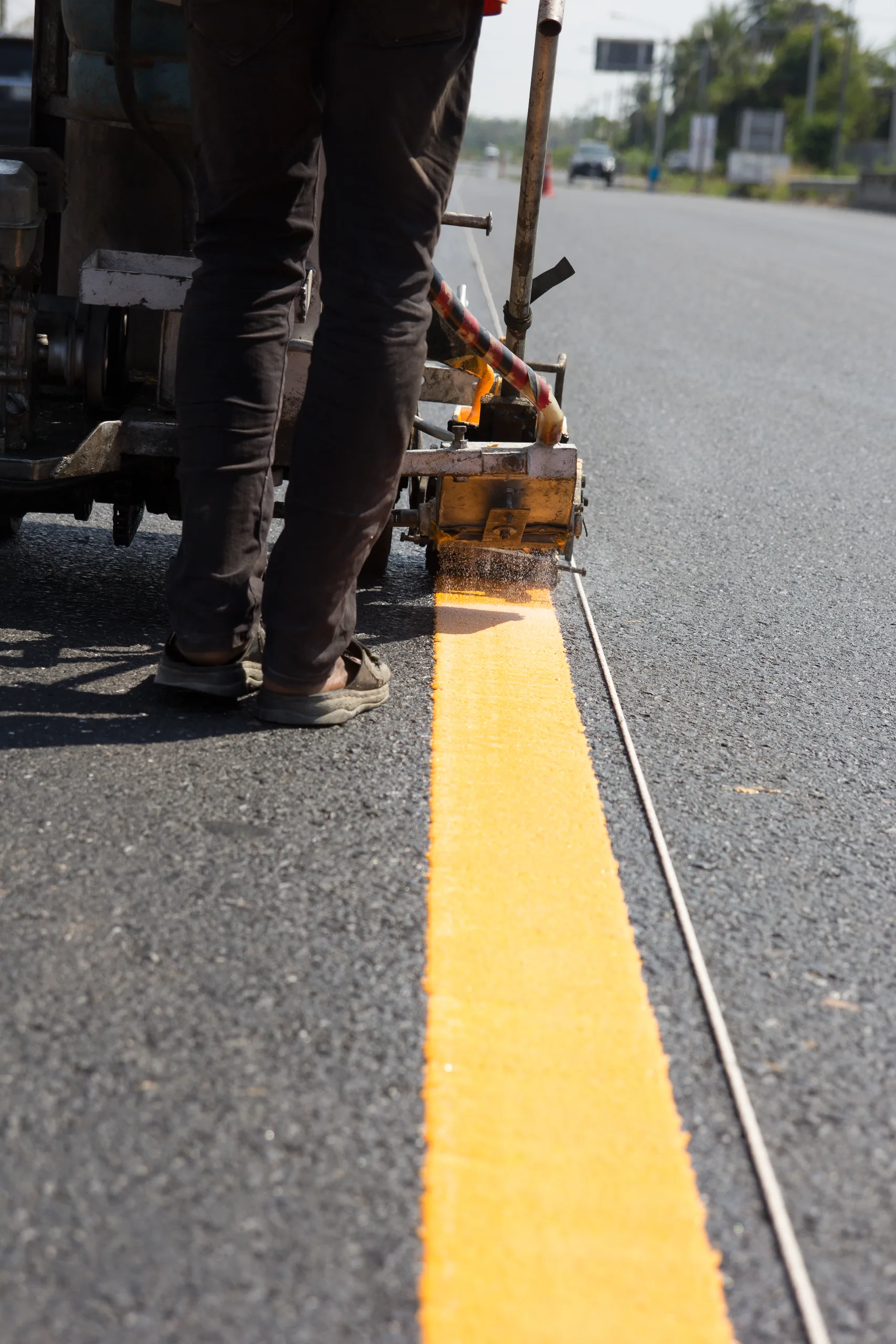
Parking-space striping, pavement markings, curb painting, and related surface-layout services for government facilities, public-sector properties, institutional sites, parking areas, access drives, and other defined paved surfaces.
Defined layout. Clear markings. Documented results.
Service Overview
Pavement Marking Built Around the Site
Parking-lot striping requirements vary by pavement type, parking-space configuration, existing markings, traffic patterns, site dimensions, curb conditions, specified colors, facility operations, and the approved layout or statement of work.
Azure Tide approaches each requirement by reviewing the designated paved areas, existing or proposed markings, approved layouts, quantities, dimensions, colors, surface conditions, work windows, documentation requirements, and applicable performance standards.
Services may be structured as restriping of existing layouts, periodic marking refreshes, curb repainting, approved layout changes, new markings based on furnished plans, or another clearly defined pavement-marking requirement.
Typical Scope Elements
Striping, Markings & Curb Painting
Depending on the site and governing requirement, pavement marking work may include one or more of the following defined service elements.
Parking-Space Striping
Striping of designated standard parking spaces according to the dimensions, orientation, quantities, colors, and layout identified in the approved requirement.
Existing Layout Restriping
Refreshing existing parking-space lines and pavement markings where the current layout is to remain in place and can be reliably identified.
Curb Painting
Painting of designated curbs using the colors, locations, dimensions, wording, and other requirements identified by the applicable scope or approved plan.
Accessible-Space Markings
Accessible-space lines, access aisles, pavement symbols, and related markings can be applied where their locations and specifications are established by the approved site requirement.
Directional Arrows
Directional arrows and related traffic-flow markings can be applied according to the positions, dimensions, and orientations shown in the approved layout.
Lane & Traffic Markings
Defined lane lines, traffic-control markings, boundary lines, and similar pavement markings can be incorporated where specified by the facility requirement.
Crosswalk & Pedestrian Markings
Crosswalk lines, pedestrian-area markings, and related surface markings can be applied where locations and configurations are defined by the approved site plan.
Loading & Service Zones
Striping or marking of designated loading areas, service zones, delivery areas, staging spaces, or other operational pavement areas where included in the scope.
Fire-Lane & Restricted-Zone Markings
Designated fire-lane, no-parking, restricted-zone, or similar curb and pavement markings can be applied when their required locations and specifications are provided.
Stencils, Numbers & Text
Space numbers, words, symbols, identifiers, and other defined pavement stencils can be incorporated according to furnished wording and layout requirements.
Approved New Layouts
New striping layouts can be implemented when dimensions, locations, space configurations, markings, and other layout requirements are established through approved plans or specifications.
Other Defined Pavement Markings
Additional striping, curb-painting, stencil, or pavement-marking requirements can be evaluated when clearly identified in the applicable solicitation, statement of work, or approved site plan.
Service Scheduling
Planned Around Traffic & Facility Operations
Striping schedules can be structured around parking demand, facility operating hours, traffic patterns, weather, pavement condition, required drying or cure periods, and site-access restrictions.
-
One-Time & Periodic Projects
Work can be structured as an initial striping project, periodic restriping, scheduled curb repainting, or another defined maintenance cycle.
-
Defined Work Windows
Service can be coordinated around daytime, evening, overnight, weekend, phased, or other approved work windows where required by facility operations.
-
Phased Area Closures
Larger parking areas can be divided into defined phases where the scope requires portions of the site to remain available for traffic or parking.
Performance Visibility
Service Records & Quality Follow-Through
Where required by the scope, pavement-marking performance can be supported through approved layout references, photographic documentation, quantity records, and exception reporting.
Layout & Location Records
Facility, parking area, work zone, approved layout, phase, or other defined location information can be referenced in the service record.
Before & After Photography
Photographs can document designated pavement and curb areas before service and the completed markings after work is performed.
Quantity & Completion Records
Parking-space counts, markings, stencils, curb sections, phases, or other measurable quantities can be documented where required by the scope.
Exception Follow-Through
Surface problems, conflicting layouts, blocked work areas, weather delays, incomplete markings, or other service exceptions can be documented for resolution.
Requirement Planning
Information That Helps Define the Scope
Providing available layouts, quantities, pavement conditions, marking specifications, and scheduling information helps clarify the striping and curb-painting requirement.
- Facility address and each parking lot, paved area, roadway, curb section, loading area, or other surface included in the requirement.
- Approved parking layout, site plan, marked-up drawing, prior striping plan, dimensions, or direction to restripe the existing configuration.
- Number of parking spaces, accessible spaces, access aisles, arrows, crosswalks, loading zones, stencils, curb sections, or other required markings.
- Required line widths, dimensions, colors, symbols, lettering, stencil wording, curb colors, materials, or other pavement-marking specifications.
- Pavement type and condition, recent sealcoating, existing markings, surface contamination, cracks, repairs, or other conditions that may affect marking preparation or adhesion.
- Permitted work hours, parking-lot closure procedures, phasing requirements, traffic access, pedestrian routing, security procedures, and reopening deadlines.
- Required surface preparation, removal or covering of obsolete markings, protection of adjacent surfaces, traffic-control measures, cure-time requirements, or cleanup expectations.
- Applicable statement of work, site drawings, photographs, pavement-marking standards, approved accessibility layout, traffic-control requirements, solicitation documents, and acceptance criteria.
Need Parking Lot Striping or Curb Painting?
Contact Azure Tide with the facility location, striping layout, marking quantities, pavement conditions, required colors and specifications, scheduling constraints, and applicable requirement details.